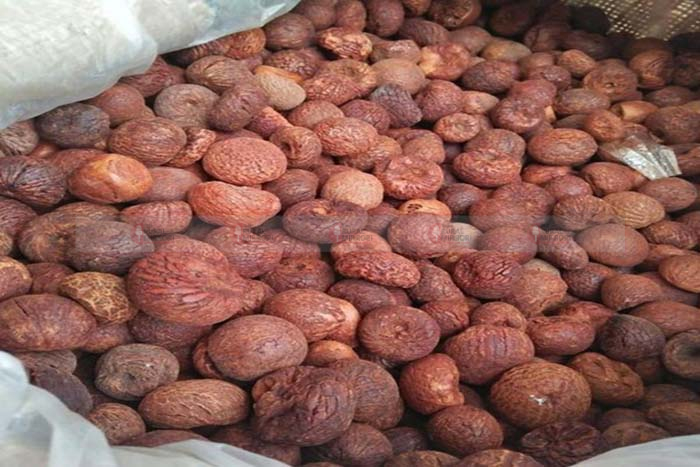

ವಿದೇಶದಿಂದ ಆಮದು ಮಾಡಿಕೊಳ್ಳುವ “ರೋಸ್ಟೆಡ್ ಅಡಿಕೆ”ಗೆ ಯಾವ ಸುಂಕ ವರ್ಗೀಕರಣ ಅನ್ವಯಿಸಬೇಕು ಎಂಬ ವಿವಾದ ಮತ್ತೆ ಮುನ್ನೆಲೆಗೆ ಬಂದಿದೆ. ರೋಸ್ಟೆಡ್ ಅಡಿಕೆಯನ್ನು ಅಧ್ಯಾಯ 20ರಡಿ ವರ್ಗೀಕರಿಸಬೇಕೆಂದು ಕೋರಿ ಸಲ್ಲಿಸಲಾದ ಅರ್ಜಿಯನ್ನು ಮುಂಬೈನ ಕಸ್ಟಮ್ಸ್ ಅಡ್ವಾನ್ಸ್ ರೂಲಿಂಗ್ ಪ್ರಾಧಿಕಾರ (CAAR) ಇತ್ತೀಚೆಗೆ ವಿಚಾರಣೆಗೆ ಸ್ವೀಕರಿಸದೆ ತಿರಸ್ಕರಿಸಿದೆ. ಇದೇ ಪ್ರಶ್ನೆಯ ಕುರಿತು ಹೈಕೋರ್ಟ್ ಈಗಾಗಲೇ ತೀರ್ಪು ನೀಡಿರುವುದೇ ಇದಕ್ಕೆ ಕಾರಣ ಎಂದು ಪ್ರಾಧಿಕಾರ ಹೇಳಿದೆ.
ಮ್ಯಾನ್ಮಾರ್, ಇಂಡೋನೇಷ್ಯಾ ಹಾಗೂ ಶ್ರೀಲಂಕಾದಿಂದ “ರೋಸ್ಟೆಡ್ ಅಡಿಕೆ” ಆಮದು ಮಾಡಿಕೊಳ್ಳಲು ಉದ್ದೇಶಿಸಿದ್ದ ಅರ್ಜಿದಾರರು, ಅಡಿಕೆಯನ್ನು ಸುಮಾರು 130–150 ಡಿಗ್ರಿ ಸೆಲ್ಸಿಯಸ್ನಲ್ಲಿ ಹಲವು ಬಾರಿ ಬಿಸಿ ಮಾಡಿ, ತಣ್ಣಗಾಗಿಸಿ ಮತ್ತೆ ಹುರಿಯುವ ಪ್ರಕ್ರಿಯೆ ನಡೆಸಲಾಗುತ್ತದೆ. ಈ ಪ್ರಕ್ರಿಯೆಯಿಂದ ಅಡಿಕೆಯ ಭೌತಿಕ ಮತ್ತು ರಾಸಾಯನಿಕ ಗುಣಗಳಲ್ಲಿ ಬದಲಾವಣೆ ಉಂಟಾಗುವುದರಿಂದ ಅದು ಸಾಮಾನ್ಯ ಒಣ ಅಡಿಕೆಯಾಗಿ ಉಳಿಯುವುದಿಲ್ಲ ಎಂದು ವಾದಿಸಿದ್ದರು. ಹೀಗಾಗಿ ನಿಯಮದಂತೆಯೇ ಇತರೆ ಹುರಿದ ಕಾಯಿ ಮತ್ತು ಬೀಜಗಳು ಅಡಿಯಲ್ಲಿ ವರ್ಗೀಕರಿಸಬೇಕು ಎಂದು ಕೋರಿದ್ದರು.
ಆದರೆ ಕಸ್ಟಮ್ಸ್ ಪ್ರಾಧಿಕಾರವು, ಈಗಾಗಲೇ ನ್ಯಾಯಾಲಯ ನಿರ್ಧರಿಸಿರುವ ಪ್ರಶ್ನೆಯ ಕುರಿತು ಮತ್ತೆ ಅಡ್ವಾನ್ಸ್ ರೂಲಿಂಗ್ ನೀಡಲು ಅವಕಾಶ ನೀಡುವುದಿಲ್ಲ ಎಂದು ಪ್ರಾಧಿಕಾರ ಹೇಳಿದೆ. ಹೀಗಾಗಿ ಮತ್ತೆ ಈ ಪ್ರಕರಣವು ಸಂಪೂರ್ಣವಾಗು ಮುಕ್ತಾಯವಾಗಿಲ್ಲ.
ಪ್ರತಿದಿನ ಕೃಷಿ-ಗ್ರಾಮೀಣ-ಪರಿಸರ-ಹವಾಮಾನ ಬದಲಾವಣೆ ಹಾಗೂ ಇತರ ಮಾಹಿತಿಗಾಗಿ ನಮ್ಮ “ದ ರೂರಲ್ ಮಿರರ್.ಕಾಂ”WhatsApp Channel ಫಾಲೋಮಾಡಲು ಇಲ್ಲಿ ಕ್ಲಿಕ್ ಮಾಡಿ
The classification of imported “roasted areca nuts” under India’s Customs Tariff has entered another legal phase. The Customs Authority for Advance Rulings (CAAR), Mumbai, recently declined to entertain an application seeking classification under Chapter 20, stating that the same issue had already been decided by the Madras High Court. Earlier litigation had held that roasted areca nuts could fall under the heading for other roasted nuts and seeds. However, the Bombay High Court in June 2026 admitted an appeal raising questions on whether roasted areca nuts should instead be classified under Chapter 8. The issue is significant because tariff classification can affect customs duty and the competitive position of imported areca nut in the Indian market.